Two good reads on climate disruption:
1) Computer-assisted classification of contrarian claims about climate change
Coan, T.G., Boussalis, C., Cook, J. et al. Sci Rep 11, 22320 (2021).
https://www.nature.com/articles/s41598-021-01714-4
2) Climate déjà vu
Science, Vol 387, Issue 6733, p. 455 (21 Jan 2025)
https://www.science.org/doi/10.1126/science.adw1532
Missive
Good indoor air quality (IAQ) requires adequate fresh air exchange, 430 ppm CO2.
Avoid poorly ventilated indoor areas. Monitor temperature, humidity (H2O water vapor), carbon monoxide CO, carbon dioxide CO2, volatile organic compounds VOCs, formaldehyde H2CO, and particulates PM2.5. If you do not have a suitable monitor, request one from your local public library.
KN95 masks and MERV 13 filters (HEPA) can slow spreading of aerosols vectors.
Corsi-Rosenthal filter-fan design is an inexpensive way to clean your air. Powerful. Inexpensive. Easy to build. A Corsi-Rosenthal Box is a powerful air purifier that you can easily build yourself using locally sourced components for a fraction of the price of a commercially manufactured air purifier.
https://corsirosenthalfoundation.org/instructions/
Michigan Air Quality Dashboard
https://air-egle.hub.arcgis.com/
Wisconsin Air Quality Monitor
https://airquality.wi.gov/home/map
Purple Air Community Monitoring
https://www2.purpleair.com/
Local wastewater monitoring.
Useful in the detection of viruses and other substances of concern in public health. Wisconsin Wastewater Monitoring Program
https://www.dhs.wisconsin.gov/covid-19/wastewater.htm
Conference Organization
American Chemical Society
ACS Spring 2027 New Orleans
ENVR & GEOC Greenhouse Gas Update: Sources, Sinks, and Solutions
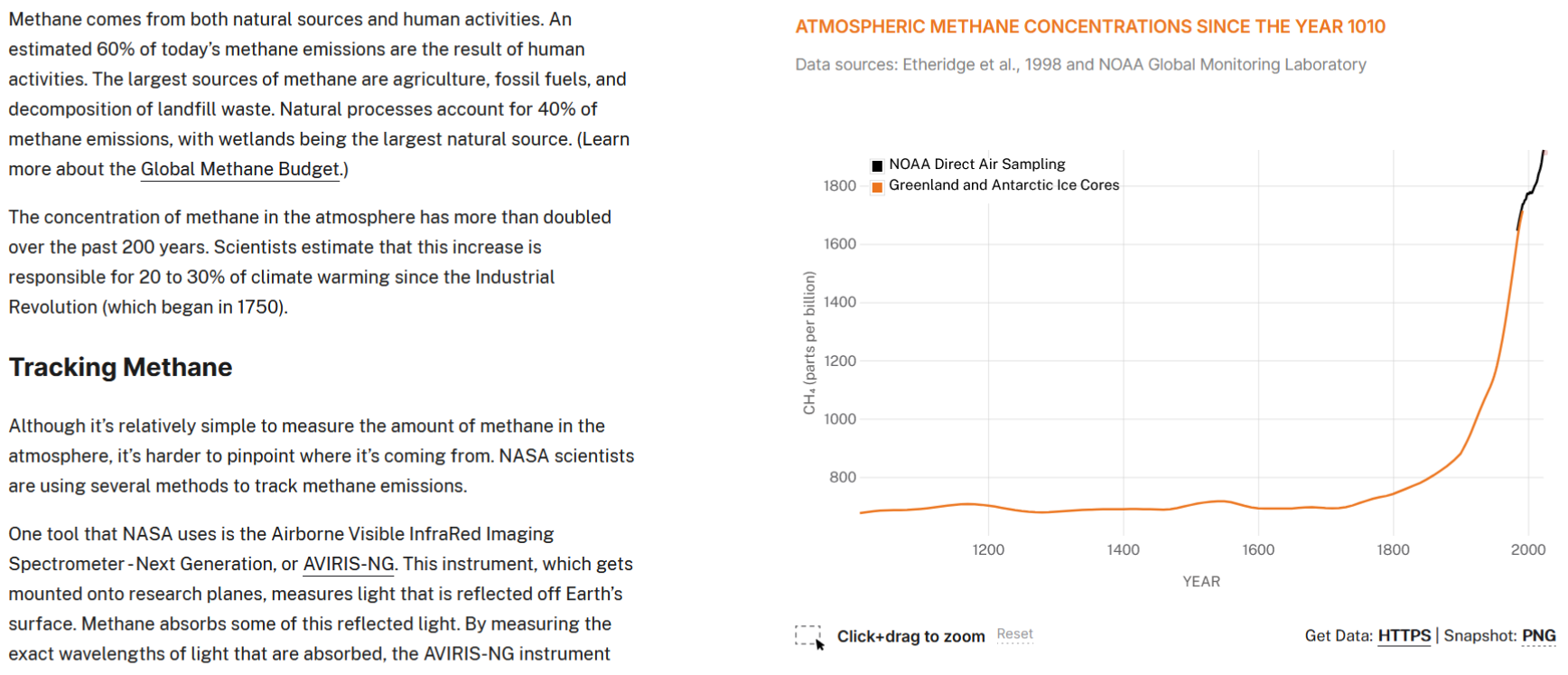
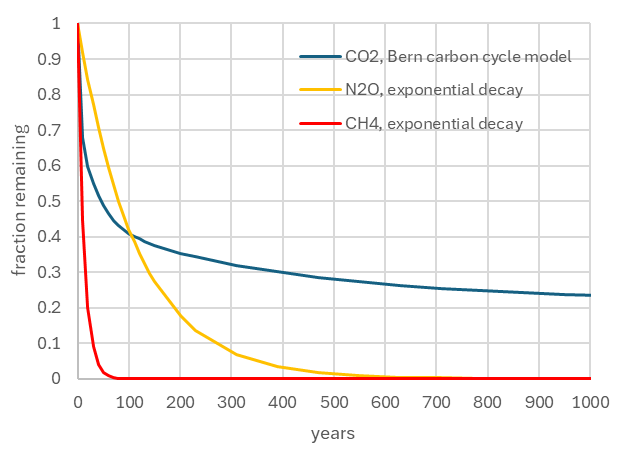
Greenhouse gases are the primary drivers of ongoing climate change, with carbon dioxide (CO2), methane (CH4), and nitrous oxide (N2O) contributing the majority of anthropogenic radiative forcing, but each has different decay dynamics. Methane is a much more potent greenhouse gas than carbon dioxide on a per-molecule basis and is responsible for roughly 20–30% of the recent increase in Earth’s surface temperature. Its atmospheric concentration, now approaching 2 ppm, has risen sharply over the past century, tracking fossil fuel use. Nitrous oxide is even more potent than methane and its atmospheric concentration has risen to 0.34 ppm. Agriculture and manure management are the largest anthropogenic sources of nitrous oxide. Other potent, long-lived greenhouse gases include sulfur hexafluoride (SF6), chlorofluorocarbons (CFCs), and hydrochlorofluorocarbons (HCFCs). The persistence of gases in the atmosphere is a complex function of time and depends on sources, sinks, decay mechanisms, and atmospheric lifetimes. This session brings together research and applied work on relevant atmospheric processes of greenhouse gases and mitigation. Topics include atmospheric measurements and modeling, characterization of sources and sinks, strategies to reduce emissions at their source, and market, policy, and regulatory elements. The session aligns with U.N. Sustainable Development Goals 7 (Affordable and Clean Energy) and 13 (Climate Action).
American Chemical Society
New Orleans March 21-25, 2027
Atlantic Basin Conference on Chemistry
ABCChem December 2026
Chemical engineering process technology for global sustainability
https://abcchem.org/
American Chemical Society
Chicago, August 23-27, 2026
JOINT ENFL & GEOC
Atmospheric Methane: Sources, Sinks, and Solutions
American Chemical Society
ACS Spring 2026, Atlanta, March 22-26
JOINT ENFL, ENVR, GEOC, I&EC
Methane: Chemistry of a Greenhouse Gas
Pacifichem 2025
Honolulu, December 15-20
Approaching Steady-State Atmospheric Methane in the Anthropocene
https://pacifichem.org



Share This News